
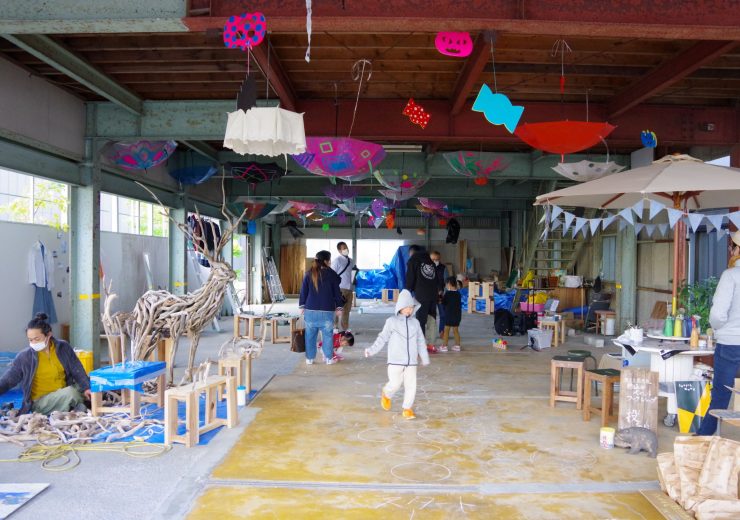
TRAINING PROGRAM
See vacant-house revival
happening, in person.
Makigumi's field study & training program
PAIN POINTS
Do any of these sound familiar?
-
We have a vacant-house plan,
but can't take a concrete first step— Government official
-
We want to change a model that
ends the moment subsidies run out— Regional revitalization lead
-
We want hints for "placemaking"
that attracts young people and creators— Real-estate operator
OUR STRENGTH
Three strengths only Makigumi can offer
A track record in real properties
Renovation
On-the-ground capability from actually reviving 50+ vacant homes over 10 years. We share not only successes but also the lessons learned from failures, holding nothing back.
How to grow related populations
Community
What makes creators gather of their own accord? We pass on the design philosophy behind an ecosystem where newcomers, travelers and locals mix together.
Self-sustaining business design
Design
A "self-sustaining model" that circulates the local economy on business revenue, not subsidies. From the revenue structure to property-selection criteria, systematized so it can be replicated.
ABOUT
About this program
Across Japan, accelerating the response to vacant homes and regional revitalization has become a pressing challenge. Based in Ishinomaki, Makigumi has long worked on "creative revival that makes the most of existing resources." So that you can learn the "self-sustaining systems" and "operating techniques for growing related populations" we developed along the way, in a more systematic form, we offer three plans.
From an online plan to grasp the overview in a short time, to an overnight plan where you stay in a renovated space and deeply experience the business, choose according to your goals.
Recommended for
- Government officials who have a vacant-house plan but can't take a concrete first step
- Those who want hints for "placemaking" that attracts young people and creators
- Those interested in a "self-sustaining model" that circulates the local economy on business revenue, not subsidies
- Mayors and council members who want to apply Ishinomaki's vacant-house revival model to their own region
PLANS
Three plans
-
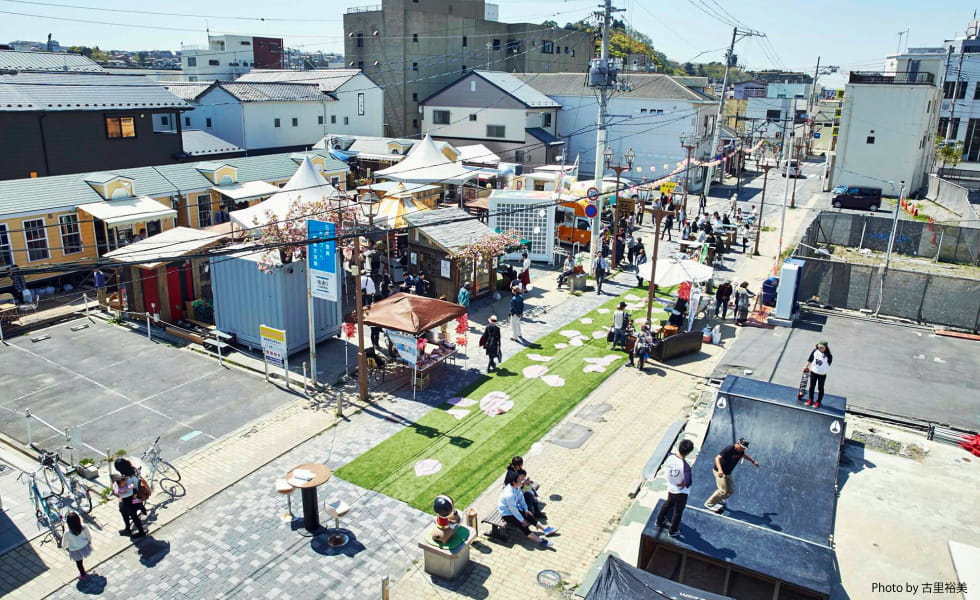 PLAN 1
Online available
Business briefing
Learn Makigumi's business model and mindset in an intensive lecture format. Ideal for those who want to grasp the overview in a short time, with no travel cost.
- Duration: approx. 2–3 hours
- Held online (Zoom, etc.)
- Participants: no limit
Guide price From ¥100,000 -
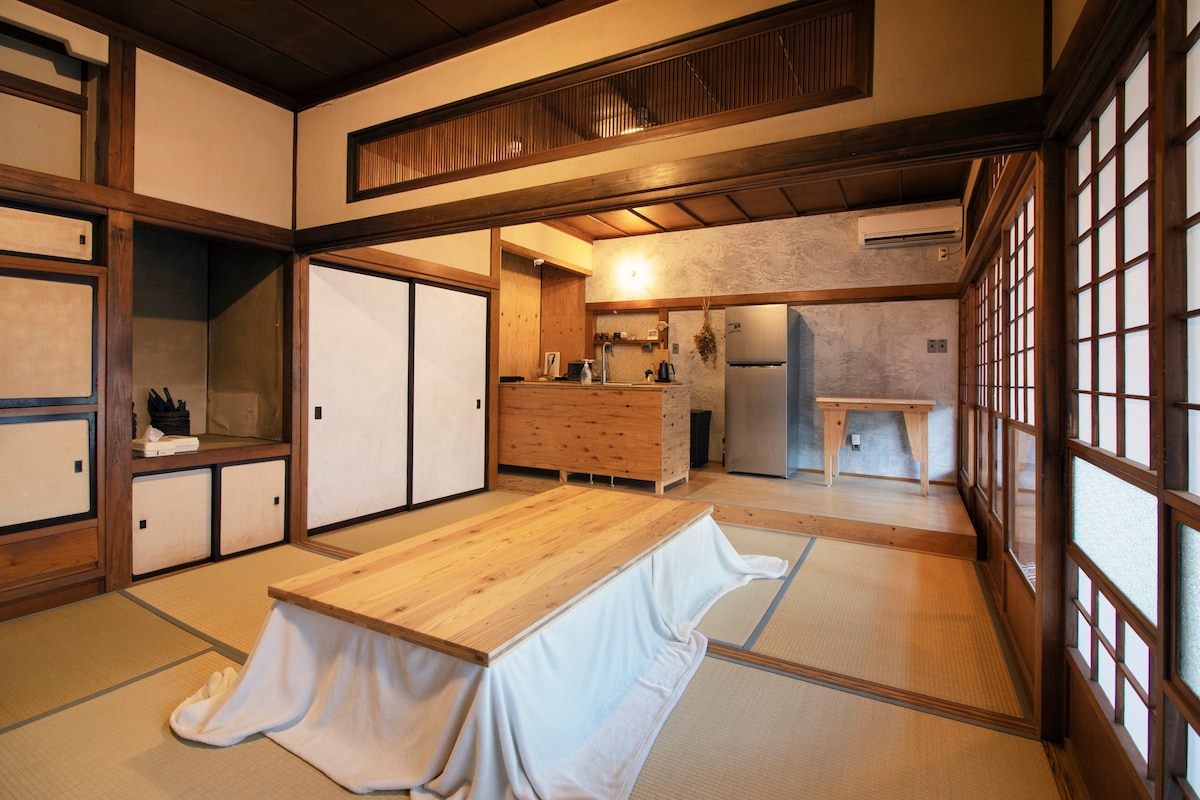 PLAN 2
On-site in Ishinomaki
Field tour
Experience real sites with all five senses — "CreativeHub," where creators gather, and the traditional-home stay "OGAWA." For those who want to see renovation examples with their own eyes.
- Duration: half a day to a full day
- Held on-site in Ishinomaki
- Small groups recommended
Guide price From ¥200,000 - RECOMMENDED
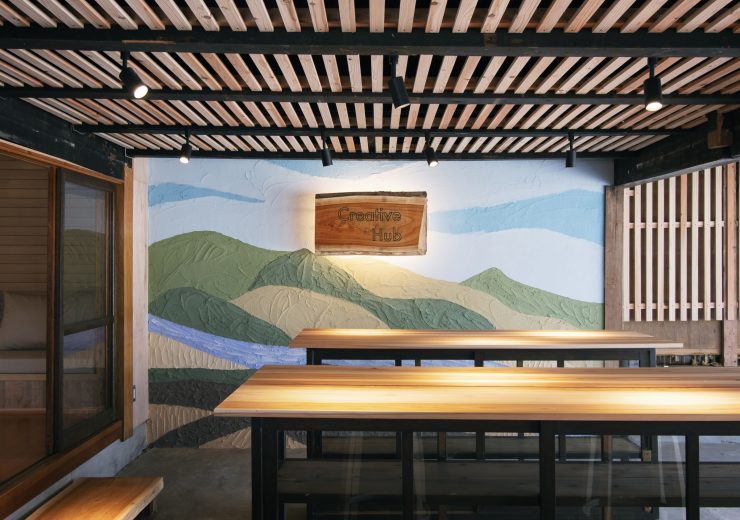 PLAN 3
Most recommended
Training with overnight stay
Stay in a revived guest house and get to know the details of operation and the atmosphere of the region deeply. Most recommended for those who want to understand the business from the inside.
- From 2 days / 1 night
- Stay at an Ishinomaki guest house
- Includes hands-on work & discussion
Guide price From ¥300,000
* Prices vary by content, number of participants, travel costs and more. Contact us for details.
TALK THEMES
Topics we can cover
01
Designing for profitability
The basic structure for turning a vacant home into a "revenue property." We explain the revenue models for share houses, guest houses and coworking spaces, and the criteria for selecting properties.
02
Using funding & subsidies
Subsidies are just a first step. We introduce the mindset of using them as a bridge until you become self-sustaining, with examples of schemes Makigumi has actually used.
03
A sustainable operating structure
How to build systems that don't depend on individuals. We share real examples of staff hiring, training and manualizing operations, plus an operating model that involves local residents.
SCHEDULE
Sample program (on-site tour, half day)
Gathering & introduction
Overview of Makigumi and the day's flow
CreativeHub tour
Visit the shared studio where creators gather
Experience the "OGAWA" traditional-home stay
Feel a renovation example firsthand; exchange views with the operations team
Dialogue session with founder Watanabe
Direct answers to participants' challenges and questions
ACHIEVEMENTS
Our track record
| Area | Conversion type | Overview |
|---|---|---|
| Yakushido, Sendai | Share-house conversion | A 60-year-old vacant home revived into a low-rent share house for young people |
| Chuo, Matsumoto | Guest-house conversion | A vacant commercial building turned into an inbound-ready guest house |
| Various sites in Ishinomaki | Mixed-use renovation | 15+ buildings including CreativeHub, OGAWA and the Roopt series |
| Minamisanriku | Vacant-house utilization planning | Built a vacant-home bank operating model in partnership with the municipality |
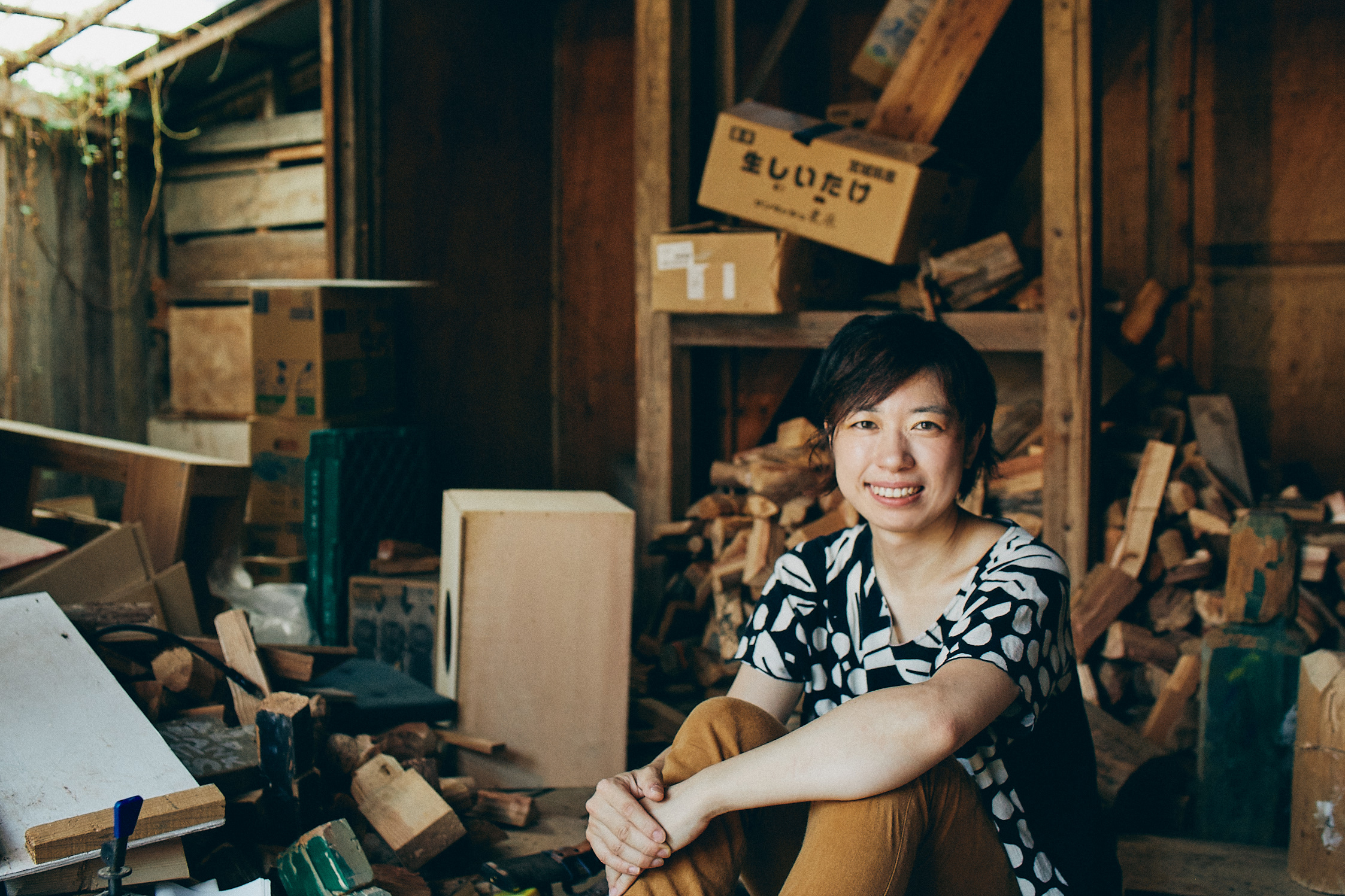
FACILITATOR
Kyoko Watanabe
Representative Director, Makigumi Inc.
Born in Ishinomaki, Miyagi. Founded Makigumi Inc. in 2014 and works on reviving and operating share houses and guest houses that make use of vacant homes. Under the vision of turning "liability real estate into asset real estate," she built a self-sustaining vacant-house utilization model that doesn't rely on subsidies. She has an extensive record of lectures and training for municipalities, companies and real-estate operators nationwide.
- 2014 — Founded Makigumi Inc.
- 2016 — Opened CreativeHub
- 2019 — Opened the traditional-home stay "OGAWA"
- 2020– — Began lectures and hosting field tours nationwide
ACCESS
Getting to Ishinomaki
- 🚄 By Shinkansen
Tokyo → Sendai (Tohoku Shinkansen, approx. 1h40m) → Ishinomaki (Senseki-Tohoku Line, approx. 1h)
- ✈️ By air
Sendai Airport → Sendai Station (Airport Access Line, approx. 17m) → Ishinomaki (Senseki-Tohoku Line, approx. 1h)
- 🚗 By car
About 1 hour from central Sendai via the Sanriku Expressway
CONTACT
First, let's talk.
Not sure which plan fits? You're very welcome.
Start with a free 30-minute online consultation.